
Choosing between a garage door with windows and one without them can influence your home’s curb appeal, natural lighting, privacy, and energy efficiency. Garage door windows can brighten a dark garage and add decorative detail to the exterior, while solid doors offer greater visual privacy and may provide better insulation depending on their construction. The right choice depends on how you use your garage, the style of your home, and which features matter most to your household. Understanding the advantages and disadvantages of garage door windows can help you select a design that balances appearance, functionality, and everyday comfort.
We consulted experienced garage door professionals at Connecticut Garage Doors Services regarding the pros and cons of garage doors with windows, how glazing affects privacy and insulation, and which design considerations homeowners should evaluate before choosing between a windowed and solid garage door.
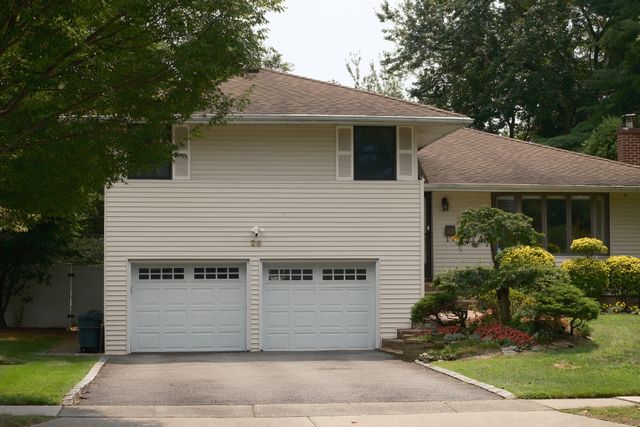
Windows vs. No Windows: Pros and Cons for Garage Doors
Both windowed and solid garage doors can provide reliable performance when properly designed and installed. However, their differences can affect how the garage looks, feels, and functions throughout the year.
- Garage Doors With Windows: More Natural Light – Windows allow daylight to enter the garage, making the space brighter without relying entirely on artificial lighting. This can be especially useful when the garage doubles as a workshop, hobby area, or exercise space. Placing windows along the upper section of the door can provide natural light while limiting direct views into the garage.
- Garage Doors With Windows: Improved Curb Appeal – Decorative glazing can enhance a home’s exterior and complement architectural features such as front windows, entrance doors, and exterior trim. Homeowners can choose from traditional rectangular inserts, arched designs, frosted glass, or modern full-width glazing. Matching the window style to the home’s architecture helps create a coordinated appearance.
- Garage Doors With Windows: Privacy and Security Considerations – Clear garage door windows may allow passersby to see vehicles, tools, bicycles, and other stored belongings. Depending on their placement and visibility, this can reduce privacy. Frosted, tinted, or textured glazing can help obscure the view, although the level of privacy depends on the glass and lighting conditions.
- Garage Doors Without Windows: Greater Visual Privacy – Solid garage doors prevent direct views into the garage through the door itself, making them a practical option for homeowners who store valuable equipment or prefer a more enclosed appearance. However, a solid door does not guarantee complete security, so a dependable locking system and secure access controls remain important.
- Garage Doors Without Windows: More Consistent Insulation Options – A solid garage door can provide strong thermal performance when it has an insulated construction, well-fitted panel joints, and effective weather seals. Windows introduce additional glazing and frame sections that may transfer heat differently from the surrounding insulated panels. However, insulated glass and well-designed window assemblies can also provide good thermal performance, so the overall door specifications matter more than the presence of windows alone.
- Maintenance and Durability Differences – Garage doors with windows require occasional cleaning of the glass and inspection of the glazing seals and frames. Solid doors avoid glass-related maintenance, although their panels, finishes, hinges, and other hardware still need care. Both designs can provide long-term reliability when their materials and construction are suitable for the environment.
Key Factors to Consider When Choosing Garage Door Windows
Before deciding whether to install a garage door with windows, consider how the glazing will affect the space inside the garage and the appearance of your property. These factors can help you choose a design that suits your practical needs.
- Window Placement and Visibility – Upper-row windows can introduce natural light while reducing visibility into the garage from street level. Lower or larger windows may provide a more contemporary appearance but can make stored belongings easier to see. Consider the surrounding landscape, neighboring properties, and the garage’s orientation.
- Glass Type and Privacy – Clear glass maximizes visibility and daylight, while frosted, obscure, or textured glass can diffuse light and reduce direct views inside. Tinted glazing can also affect visibility, but its privacy performance depends on lighting conditions and the specific product. Review the glazing specifications before choosing a finish.
- Energy Efficiency and Insulation – If the garage is attached to your home or used as a workspace, compare the door’s insulation performance, glazing type, panel construction, and perimeter weather seals. A windowed door with suitable insulated glass may meet your needs, while a well-insulated solid door can also be an effective choice.
- Architectural Style and Design – Traditional homes may suit small decorative windows that coordinate with existing window grids, while contemporary properties may benefit from clean-lined glazing or narrow horizontal inserts. A solid door can create a minimalist appearance or blend more closely with the exterior when its color matches the surrounding walls.
- Safety and Glass Construction – Garage door windows should use glazing appropriate for the door’s intended application and comply with applicable safety requirements. Ask the installer which glass type is suitable, especially if the garage door is near areas where people regularly walk or work. The window frames must also be compatible with the door’s construction and operating system.
How to Choose Between a Windowed and Solid Garage Door
The best choice depends on how you want your garage to look and function. A garage door with windows may be ideal if you value natural light, decorative detail, or a brighter workspace. Upper-window designs with frosted or obscure glazing can offer a useful balance between daylight and privacy. A solid garage door may be more suitable if you prefer an uninterrupted exterior, want to limit visibility into the garage, or prioritize a simple design with well-insulated panels. Homeowners concerned about energy efficiency should compare the entire door assembly, including its insulation rating, glazing specifications, and weather seals, rather than automatically assuming that one design performs better. It is also worth considering the garage’s orientation, the amount of direct sunlight it receives, and whether the window placement will expose stored belongings. A qualified garage door professional can help you compare compatible designs and ensure the selected door meets your home’s structural, insulation, and safety requirements.
In conclusion, choosing between garage doors with windows and solid garage doors involves balancing natural light, curb appeal, privacy, and thermal performance. By considering window placement, glazing type, insulation, and overall design, you can select a garage door that enhances your home’s appearance while providing dependable performance and everyday convenience.
Written by Connecticut Garage Doors, your local garage doors and gate technician in New Haven Garage Doors, New Milford Garage Doors, Simsbury Garage Doors, Meriden Garage Doors, Bristol Garage Doors, West Haven Garage Doors, Stratford Garage Doors, East Hartford Garage Doors, Winsted Garage Doors, Hartford Garage Doors, New Britain Garage Doors, Hamden Garage Doors, Wallingford Garage Doors, Southington Garage Doors, Newington Garage Doors, Vernon Garage Doors, Windsor Garage Doors, Cheshire Garage Doors, Enfield Garage Doors, Torrington Garage Doors, Glastonbury Garage Doors, Naugatuck Garage Doors, Branford Garage Doors, and Windham Garage Doors.